













Nikon FM2
What a Nikon FM2 actually produces — 14 photographs shot on one by members here.
Find one at KEH Nikon FM2 → Affiliate link
The Nikon FM2 is the one you buy when you want a camera that doesn't need you. It is fully mechanical: the two LR44 cells in the base run the light meter and nothing else, so a dead battery costs you the meter and not the afternoon. Every shutter speed still fires. Nikon built it from 1982 until 2001, and it took the FM3A to replace it.
The headline when it launched was the shutter — a vertical-travel metal-bladed design running to 1/4000 sec with no electronics involved, at a time when 1/1000 was considered quick. The flash sync that came with it mattered just as much to working photographers, and the meter is a simple 60/40 centre-weighted reading shown as three LEDs in the finder. It takes AI and AI-S Nikkors, which are plentiful and still sensibly priced.
Which one is this?
Confusingly, almost every version is simply marked FM2 on the front. The differences are all small, and none of them affect how the camera shoots:
- FM2 (1982–84) — flash sync at 1/200. Titanium shutter blades with a visible honeycomb pattern. Genuinely uncommon; the run was short.
- FM2n (from 1983–84) — sync raised to 1/250 and a brighter focusing screen.
Two giveaways: the
250on the shutter dial is printed in red, and the serial number carries anNprefix. - FM2n, later production (from 1989) — same camera, but the titanium honeycomb shutter was replaced with smooth aluminium once metallurgy allowed it. The only way to tell is to open the back and look at the blades.
- FM2/T (1993–97) — sold alongside the standard body, with titanium top plate, bottom plate and back, in a distinctive pale finish.
- FM2 Millennium (2000) — 2000 units for the Year of the Dragon, champagne
gold, with a dragon emblem above the self-timer,
Year 2000engraved on the back, and a matching 50mm f/1.4 AI-S. A collector's piece, priced like one.
If you're buying one to shoot rather than to keep, none of this should decide it. The aluminium shutter is not a downgrade — by most accounts it is the tougher of the two — and 1/200 versus 1/250 only matters if you are working with flash in daylight. Condition beats variant every time.
A good FM2 with a 50mm f/1.4 on the front and a roll of HP5 Plus is a camera you can hand to someone in 2060 and expect it to work.
Images taken with the Nikon FM2
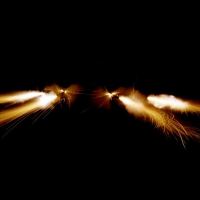
 Fire in the Sky Ken Mullinix · Kodak Portra 400
entered as “Nikon FM2N”
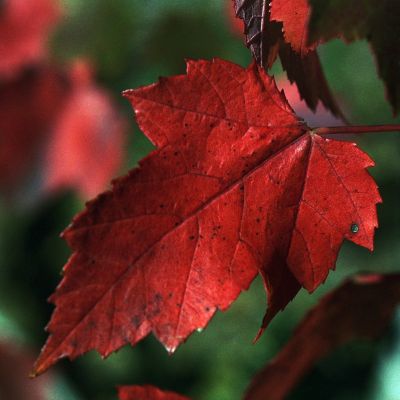 The Red Maple Ken Mullinix · Kodak Portra 400
entered as “Nikon FM2N”
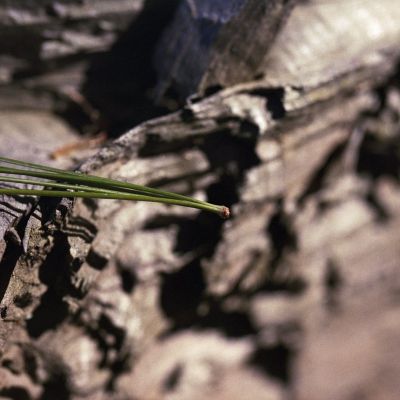 Pine Needle Ken Mullinix · Kodak Portra 400
entered as “Nikon FM2N”
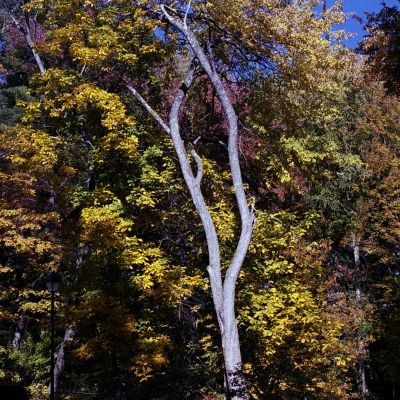 Fall Colors Ken Mullinix · Kodak Portra 400
entered as “Nikon FM2N”
 The Sugar Maple in the Fall Ken Mullinix · Kodak Portra 400
entered as “Nikon FM2N”
 Bumble Bees Ken Mullinix · Kodak Portra 400
entered as “Nikon FM2N”
 Amanita chrysoblema Ken Mullinix · Kodak Portra 400
entered as “Nikon FM2N”
 Rust - Pierce Point Ranch, CA FogdogPhoto · Kodak Portra 160
entered as “Nikon FM2n”
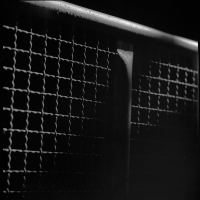
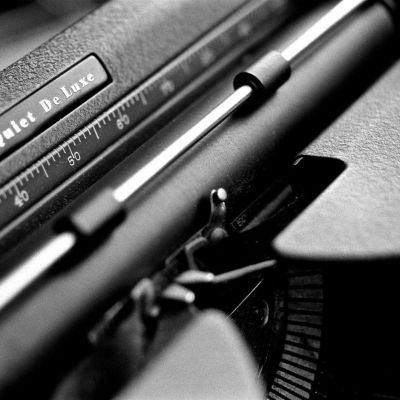 Quiet De Luxe - Freestone, CA FogdogPhoto · Kodak T-Max 400
entered as “Nikon FM2n”
 Beauty in Odd Places Ken Mullinix · Kodak Portra 400
entered as “Nikon FM2N”
 Wedding Reception jhaddon84015 · Kodak Ektacolor Pro
 Wedding snack jhaddon84015 · Kodak Ektacolor Pro
 Invasive or Beautiful? Ken Mullinix · Kodak Portra 400
entered as “Nikon FM2N”
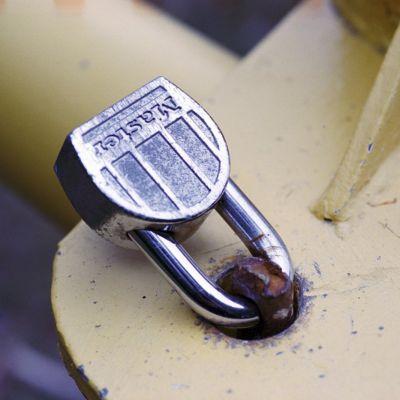 No Entry Ken Mullinix · Kodak Portra 400
entered as “Nikon FM2N”
Lenses people use on it
Taken from what members recorded on the frames above, in their own wording. Counts, not recommendations.
Film shot on it
Each one links through to every frame on that stock, from any camera.