Leica M6
What a Leica M6 actually produces — 14 photographs shot on one by members here.
Shop Leica M6 at KEH → Affiliate link
The Leica M6 is the camera that gave the M rangefinder a light meter without taking anything away. The shutter is still entirely mechanical — the battery runs the meter and nothing else — so a flat cell leaves you guessing at exposure rather than stranded. Underneath it is essentially an M4-P with TTL metering added, which is to say a design already two decades refined by the time it arrived in 1984.
Metering is centre-weighted, read off a white patch on the shutter curtain, and displayed as two LED arrows in the finder. You turn the dial or the aperture ring until they balance. There is no automation, no program mode, and nothing to switch off. The rangefinder patch is the reason people put up with all of that: focusing a fast lens wide open is quicker and more certain than any SLR screen, and you see your subject before it enters the frame, not just inside it.
M6 Versions
- M6 (1984–1998) — now retroactively called the Classic, a name nobody used while it was in production. Two meter arrows in the finder, one hot shoe contact, and a small shutter dial that turns the opposite way to the arrows you're correcting. Almost all of these are 0.72x finders.
- M6 TTL (1998–2002) — adds off-the-film flash metering, a third centre LED,
and a much larger shutter dial that finally turns the same way as the meter
arrows. The added circuitry made the top plate about 2mm taller, which is
obvious in the hand and easy to miss in photographs. Engraved
M6 TTLon top, and offered in 0.58x, 0.72x and 0.85x finders. - M6 J (1994) and M6 Millennium (2000) — limited runs with brass top and bottom plates in place of zinc. Collector's cameras.
- M6 reissue (2022–) — worth understanding before you buy one. It is built
on the current MP and dressed as an early M6: brass plates, the old
Leitzscript, Wetzlar engraving, modern hard-wearing lacquer. That means you get the improved, flare-resistant finder, but also the small non-TTL shutter dial and 0.72x only.
For shooting, the honest summary is that the differences barely matter. The TTL is nicer to operate and worth having if you use flash; the earlier body is smaller on top and cheaper. Finder magnification is the choice that will actually affect your photographs — 0.58x if you wear glasses or shoot 28mm, 0.85x if you live at 50mm and longer.
Loaded with Tri-X 400 and a 35mm lens, it is the setup behind a very large share of the twentieth century's reportage, and it still works exactly as well as it ever did.
Images taken with the Leica M6
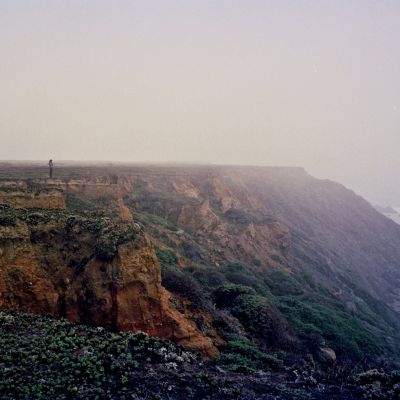 Land's End - Sonoma Coast, CA FogdogPhoto · Kodak Portra 400
entered as “Leica M6TTL”
 Lake Hashawha Ken Mullinix · Kodak Portra 400
 Hashawha Ken Mullinix · Kodak Portra 400
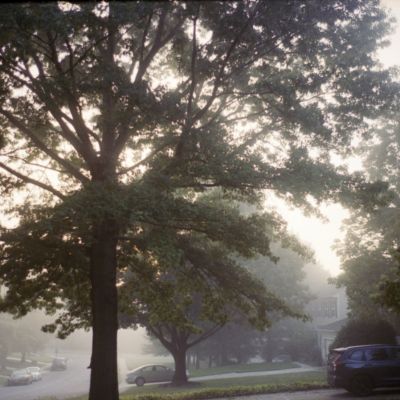 A Foggy Morning Ken Mullinix · Kodak Portra 400
 Nathalie Ken Mullinix · Kodak Portra 400
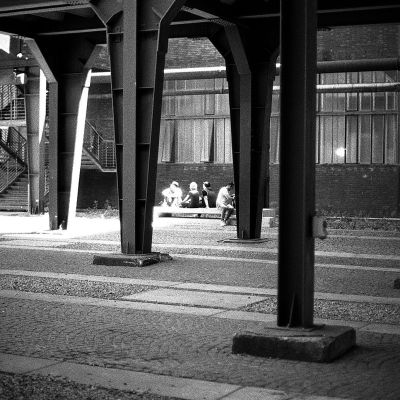 Break in the sun VolkerE · Fomapan 100
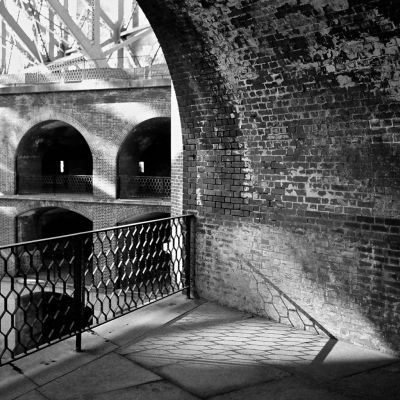 Ft. Point - San Francisco, CA FogdogPhoto · Kodak T-Max 400
entered as “Leica M6TTL”
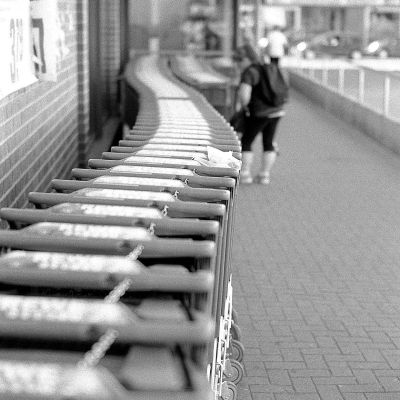 Carts VolkerE · Ilford FP4 Plus
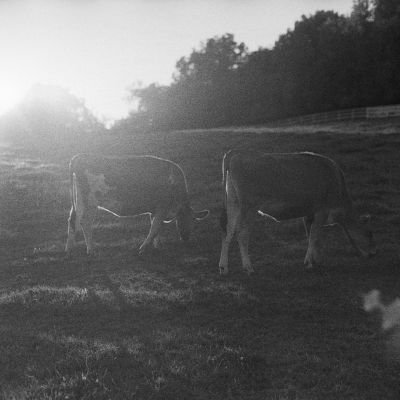 Out to Pasture Ken Mullinix · Ilford HP5 Plus
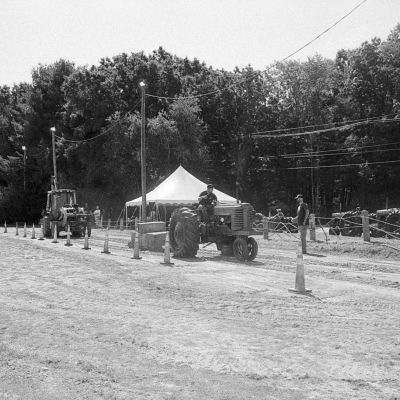 Tractor Pull - Sterling Fair, MA Ken Mullinix · Ilford HP5 Plus
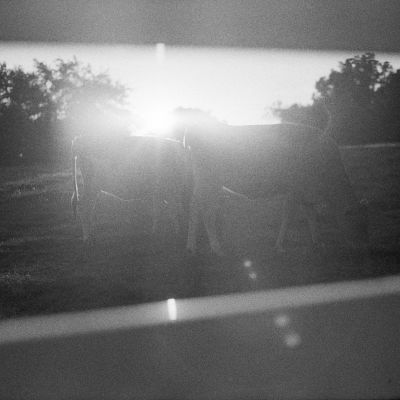 Ken Mullinix · Ilford HP5 Plus
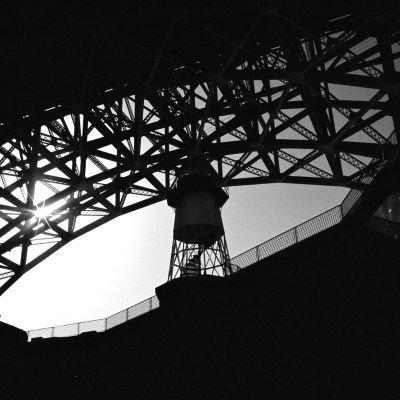 Fort Point - San Francisco, CA FogdogPhoto · Kodak T-Max 400
entered as “Leica M6TTL”
 Gridlife at Lime Rock Park Frank Vitucci · Kodak Ektacolor Pro
entered as “Leica M6 2022”
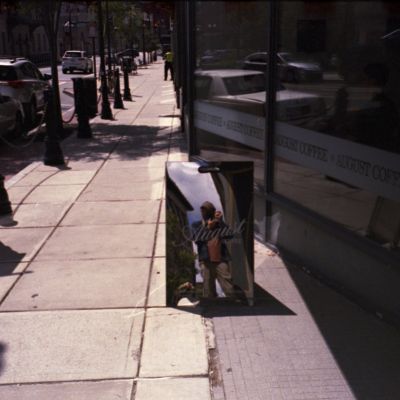 Reflections Ken Mullinix · Kodak Portra 400
Lenses people use on it
Taken from what members recorded on the frames above, in their own wording. Counts, not recommendations.
Film shot on it
Each one links through to every frame on that stock, from any camera.